High foot traffic, extensive floor spaces, and demanding stains, characterize commercial properties more than residential areas do. Because of this, determining the commercial pressure washing price per square foot requires a careful look at several unique factors. This article examines the main cost factors influencing commercial jobs while comparing their pricing to residential services. You will learn about the price variations between commercial pressure washing at the end of this article while understanding how our CA Pressure Washing team assists in selecting the right option.
- Check your property size and surface type
- Determine the level of staining and grime
- Evaluate access and equipment requirements
- Compare commercial and residential service rates
1. Understand Why Commercial Pricing Differs
Look at the main factors distinguishing commercial pressure washing from residential cleaning services. The main distinction exists between the two size categories. Large parking lots, extensive building exteriors, and warehouse floors define commercial projects. The extensive size of these areas needs specialized equipment, additional time, and specialized techniques so business operations stay uninterrupted while achieving complete cleaning results.
- Higher Foot Traffic: Commercial properties experience high traffic volumes which results in deep-set accumulation of dirt and grime.
- Larger Surface Area: Commercial buildings frequently span tens of thousands of square feet in their total surface area.
- Stricter Regulations: Commercial zones under certain regulations impose special rules about water runoff together with waste disposal requirements.
The combination of complexity with standard materials such as concrete or brick typically causes expenses to increase per square foot. Understanding how commercial site conditions differ will help you create more accurate budget and timeline predictions.
2. Measure Your Total Surface Area
Evaluate the precise dimensions of the area that requires washing. Whether it’s a large warehouse floor or a multi-level parking structure, this measurement is key to calculating the commercial pressure washing price per square foot.
- Measure Accurately: You need to use either a laser measurer or a measuring wheel for precise measurement of long distances.
- Include All Zones: Keep individual records for all your cleaning zones that include loading docks and sidewalks and parking lots.
- Round Up: The last step is rounding measurements to a slightly bigger size because it helps you cover all possible corner and nook areas.
Total square footage calculations provide precise measurements to avoid any uncertainty. The majority of pressure washing companies depend on this factor to establish your initial quote. The square footage calculation serves as the foundation for pricing even though it may not directly determine the final cost because of additional factors like heavy stains or altitude requirements.
3. Identify Surface Materials and Conditions
Assess the materials that require cleaning. Pressure water behaves differently toward diverse materials so you may need to select specific cleaning agents and adjust pressure settings.
- Concrete: Commercial properties typically use concrete for their construction since this material can withstand pressure well yet might need degreasing agents for oil stain removal.
- Brick or Stone: Natural materials such as brick and stone require both light pressure treatment and sensitive handling procedures.
- Metal or Painted Surfaces: Adjust water pressure when cleaning metal or painted surfaces to prevent paint removal and metal corrosion.
Verify if the surface carries excessive dirt accumulation. Thick accumulations of grease along with mold and other contaminants require either pre-treatment or the use of heavier cleaning solutions. Additional cleaning materials will drive up the square foot cost yet their presence is necessary to create a quality outcome.
4. Factor in Accessibility and Complexity
Your property will need additional time to complete the work if it has limited access points or complicated architectural features. The cleaning process slows down when equipment needs to access rooftops or when workers need to navigate parking lots or work through landscaping elements.
- Multiple Levels: Scaffolding together with lifts will be necessary for the cleaning process when working on elevated structures or buildings with multiple floors.
- Tight Spaces: The use of machinery becomes limited by narrow alleyways together with crowded loading docks.
- Landscaping and Obstacles: Protection measures are needed for decorative elements and trees as well as shrubs along with adequate maneuvering strategies.
Scheduling becomes crucial for commercial projects because they operate within active business environments. Commercial cleaning performed during operational hours demands temporary facility closures that increase labor expenses alongside weekend or night shift maintenance. Striking a balance between efficiency and budget expenditures remains essential.
5. Consider the Required Equipment and Crew Size
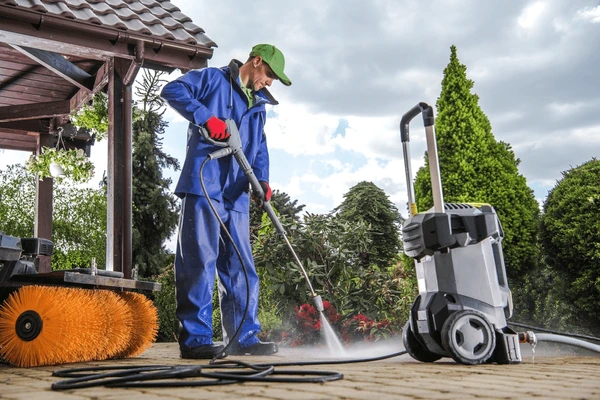
Use equipment that matches the requirements of the work. To clean large areas successfully or eliminate tough stains professionals should consider using hot-water pressure washers with industrial-grade cleaning solutions and customized attachments.
- Hot-Water Units: Effective against oil or grease but cost more to run.
- Surface Cleaners: These spinning attachments clean large areas faster than a standard wand.
- Skilled Crew: More extensive sites may need several technicians working simultaneously.
The company CA Pressure Washing uses flexible solution models which send appropriate teams of staff and equipment to handle big cleaning operations effectively. The initial investment demands more money at first but the shortened operational interruption leads to cost savings throughout the project duration.
6. Check for Additional Fees and Services
Study the fine print. Some companies bundle certain costs—like detergents or water reclamation—into their per-square-foot rate, while others list these as separate fees.
- Setup and Teardown: Large properties may need more time for prepping and cleaning up equipment.
- Water Disposal: Local regulations might require capturing and treating wastewater.
- Staining or Sealing: If you plan to stain or seal your surface after cleaning, you might add $0.10–$0.30 per square foot for these extra services.
Your quote must contain clear details about all the included items. A lack of clear explanation regarding charges should trigger your suspicion of the company’s transparency. Your desired service provider should detail all invoice items so you achieve both understanding and reassurance.
7. Schedule at the Right Time
Choose the season and time of day that matches your business requirements to schedule the pressure washing project. Commercial properties typically arrange their pressure washing appointments during off-peak times or weekend slots as it helps them maintain business continuity without disturbing customers or employees.
- Off-Hours Cleaning: Minimize foot traffic or vehicle movement.
- Nighttime Work: Some companies charge a premium, but it can reduce business downtime.
- Seasonal Considerations: Mild weather can speed up project completion, while extreme cold or heat might slow the process.
Assess whether your operations can handle cleaning services during weekdays or if weekend cleaning offers better benefits. Each decision to balance price with ease of access will produce the best possible impact on operational continuity.
8. Confirm Insurance and Credentials
Check that the cleaning company has proper insurance coverage together with valid credentials. Commercial properties generally have higher risk potential than residential properties. The insurance coverage should protect you from any type of damage or injury that might occur.
- General Liability Insurance: Protects against accidental damage to your property or neighboring areas.
- Workers’ Compensation: This covers technicians in case of on-site injuries.
- Licenses and Certifications: Some states or municipalities require pressure washing permits or environmental certifications.
Don’t skip this step. CA Pressure Washing upholds its insurance coverage along with relevant credentials which provides property owners peace of mind during service delivery. You should verify things beforehand to avoid later consequences.
9. Weigh DIY vs. Professional Services
Businesses should evaluate the advantages and disadvantages of conducting pressure washing themselves against hiring external professionals.
- DIY Approach: You may afford to do the work yourself when your commercial facility is small enough and you own proper equipment. The learning process will be challenging while the time requirements will be extensive and you might end up damaging your property unless you have extensive experience.
- Professional Expertise: Professional experts possess the knowledge to select appropriate nozzles together with pressure levels and cleaning solvents for different surfaces. Such professionals complete their assignments quickly while working on extensive large-scale projects. Professional cleaning companies have both insurance and proper commercial licenses to perform business-related services.
Business property managers find that using reputable pressure washing services such as CA Pressure Washing becomes more cost-effective in terms of money and time savings when cleaning extensive and repetitive projects.
10. Plan for Staining or Sealing After Cleaning
Once your surfaces are clean, apply a protective finish or a decorative stain to maintain or enhance them.
- Staining: Choose from various colors to give your concrete or masonry a fresh look.
- Sealing: This will extend the life of your surface by making it more resistant to water, oil, and chemicals.
- Cost Implications: Budget for these extra steps, which typically add to the per-square-foot total.
Enhancing your freshly cleaned surface longevity requires immediate application of proper staining or sealing methods. The investment proves beneficial particularly for commercial properties because it helps them keep up a professional aesthetic.
Conclusion: Take the Next Step with CA Pressure Washing
Determining the commercial pressure washing price per square foot involves more than square footage. Multiple elements concerning surface composition and staining intensities and access limitations and scheduling choices determine the total cost. Commercial projects require more intensive work and complicated scheduling systems than residential cleaning operations thus their pricing structure shows different rates.
Are you prepared to begin your commercial pressure washing work? You can get a specific and detailed pricing proposal from CA Pressure Washing that matches your property requirements by getting in touch with them. Our team possesses all necessary equipment to perform jobs of any size and we collaborate with clients for developing optimal plans that include evening scheduling and specialized equipment usage as well as post-cleaning staining decisions. Allow dirt and grime to remain only as a temporary condition. We are available right now to explain our services for commercial space maintenance throughout the entire year.