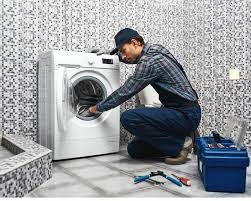
Did you know that you can be halfway through washing your dishes or clothes when the water pressure drops from your faucet or in the shower? You’d be surprised how common this scenario is, and it’s so frustrating—especially if you’re in a rush or just want to relax and enjoy a nice, warm shower. Water pressure drops when the ashing machine runs for various reasons, including outdated plumbing systems, partially closed valves, or too many appliances drawing water at once.
So, why does this happen, and what can you do about it? In this post, we will dissect what most likely causes the problem, assist you in troubleshooting, and discuss the prevention measures to ensure you have a steady water pressure at home. Before applying a lasting solution, though, you need to figure out where it’s coming from, whether it’s just a minor annoyance or a significant drop in water pressure.
Summary Points
- Check your home’s plumbing layout
- Inspect and clean clogged fixtures
- Adjust water pressure regulators
- Look for partially closed or faulty valves
- Schedule professional inspection if in doubt
1. Why Consistent Water Pressure Matters
A Comfortable Home Experience
Reliable water pressure is significant for carrying out day-to-day activities like taking a shower, washing dishes, or running a load of laundry. While routine activities such as flushing toilets, using showers, and washing dishes are normally pretty efficient, they’re much less so when the water pressure fluctuates—and a lot less pleasant.
Reducing Wear on Appliances
Washing machines and dishwashers are designed to run within a certain water pressure range. If they are forced to work harder due to chronic low pressure, they can wear out much more quickly or suffer costly malfunctions, which could shorten their lifespan.
Preserving Plumbing Health Inconsistent water pressure can indicate further problems, such as leaks, sediment buildup, or corroded pipes. If these problems are ignored, they can become expensive repairs or entire pipe replacements. Early intervention on water pressure issues will help you avoid costly problems in the future.
2. The Short Answer for water pressure drops when the washing machine is running
Check for simple issues like partially closed valves or clogged aerators if your water pressure drops when the washing machine runs. Then, consider adjusting your pressure regulator or upgrading to more extensive supply lines. If these steps don’t resolve the issue, call a professional plumber or a pressure-washing expert to evaluate your home’s plumbing system.
3. Common Reasons for a Drop in Water Pressure
To solve the problem, it’s essential to understand the possible causes. Below are the most common culprits:
- Outdated Plumbing System
Narrow or corroded pipes in older homes can hinder the ability to meet the demands of modern water needs, especially when multiple fixtures are in use at one time.
- Faulty Valves or Partially Closed Valves
A valve that isn’t fully open can cut off water so severely that it barely flows at all. Over time, a valve may move slightly or become blocked by mineral deposits.
- Shared Supply Lines
If the supply line that supplies both your shower and washing machine is the same, then utilizing one will decrease the pressure in the other.
- Pressure Regulator Issues
Widespread pressure fluctuations can happen throughout the house if the regulator is malfunctioning or not set properly.
- Clogged Aerators or Fixtures
Showerheads and faucets can be clogged by mineral deposits, sediment, or debris, which can slow water flow, particularly if you are already running a washing machine.
- Multiple Appliances Running
Sometimes, the simplest explanation is the correct one: If you have multiple appliances – a dishwasher, washing machine, and a garden hose, for example – all running at once, you’ll experience a pressure drop.
4. Step-by-Step Troubleshooting Guide
Below is a clear, numbered sequence to help you identify and fix the cause of your water pressure drop:
Turn Off Other Appliances
Since you will be disconnecting your water line, try turning off all other appliances that use water, such as dishwashers or outdoor sprinklers, before you start in the deeper troubleshooting. This isolates the impact of the washing machine on the water pressure.
Inspect and Clean Fixtures
Look for mineral deposits or debris on the showerhead or faucet aerators. If there’s visible scale buildup on the aerator, unscrew it, rinse it thoroughly, then soak it in vinegar. Reattach it and see if the water pressure becomes better.
Open All Valves Fully
Find your main water valve, any individual shut-off valves for the washing machine, and other appliances. Make sure that these valves are entirely opened. Just a slight turn can dramatically reduce flow.
Check the Pressure Regulator
Seek out a bell-shaped device for your main water supply line. This is your water pressure regulator. Before making any changes, take a pressure gauge to measure your water pressure. If it’s too low, let the manufacturer or a professional to adjust it for you.
Test Different Times of Day
Run your washing machine during off-peak hours, like late at night or early morning. If water pressure in your area is good, high demand in your neighborhood could be causing your problem.
Look for Hidden Leaks
A drop in pressure at times can show that there is a concealed leakage. Walk through the house with your eyes open for damp spots on the walls, puddles that you don’t know where they came from, or if you see an unexplained rise in your water bill. If you leak, turn off all of your fixtures and check your water meter. This leak would probably be somewhere if it keeps on moving.
Upgrade Your Plumbing
If your home has older pipes, or the layout is such that the washing machine and shower have to share a line, you may want to upgrade your plumbing. Larger diameter pipes can be installed, which greatly increase the water flow.
Call a Professional If you’ve done all you can, and there’s still a continuous drop in water pressure, it may be time to call in expert help. Professional plumbers, licensed or specialized pressure washing professionals, will have the tools to run diagnostics and make professional recommendations.
5. Tips to Prevent Future Drops in Water Pressure
Maintaining consistent water pressure is easier when you adopt some preventive measures:
- Regular Plumbing Inspections: Make sure to have annual or bi-annual checkups to catch minor issues before they become significant problems.
- Soft Water Systems: If you live in a complex water area, a water softener will help keep the buildup of minerals in your fixtures and pipes down.
- Proper Maintenance of Appliances: To keep your washing machine running at its best, clean its filters and follow the manufacturer’s upkeep guidelines.
Upgrade Incrementally: If you can’t afford a complete plumbing overhaul, upgrade the valves, fixtures, or some pipe sections gradually.
6. Simple Actions to Improve Water Pressure Quickly
Looking for immediate, action-oriented steps? Here are some quick fixes:
- Want action-oriented steps immediately? Here are some quick fixes:
- Clean Showerheads and Faucets: Clear mineral buildup with vinegar or store-bought descaling solutions.
- Adjust or Replace Pressure Regulators: If you’re unsure how to proceed, follow the device’s manual or contact a professional.
- Stagger Appliance Usage: If your plumbing is old, avoid running the shower and washing machine simultaneously.
Check for Pinched Hoses: Be sure to check your washing machine hose and any other water lines to be straight and clear of any obstructions.
7. When to Call a Professional
Calling in the pros is sometimes the best way to solve your water pressure issue. At CA Pressure Washing, we have become experts at diagnosing water flow issues that may or may not be hindering your pressure washing or everyday household needs. By using advanced tools and extensive experience, our professionals can:
- Identify Hidden Plumbing Problems: We check for leaks, clogs, and corroded pipes so you don’t have to know what’s going on behind your wall.
- Recommend the Right Upgrades: Not all homes require a full plumbing overhaul. We’ll make targeted recommendations for how to boost water pressure without overspending.
Ensure Safe, Long-Lasting Solutions: While DIY fixes can be fast and cheap, they often don’t fix the underlying issues. Certified, professional service is what we offer for peace of mind.
Conclusion
When water pressure drops when the washing machine is running, it’s more than just a When water pressure drops when the washing machine is running, it’s more than just a momentary inconvenience. This could point to underlying issues such as blocked fixtures or outdated plumbing that could escalate if left unaddressed. If you’ve got a problem, you can do some simple checks yourself—clean aerators, check to make sure your valves are all the way open, test your pressure regulator—and often fix it yourself.
Do you feel like you’re still stuck or think the problem is more significant than DIY? We are here if you need some help. You don’t have to let low water pressure ruin your showers or compromise your next pressure washing session. Our professional evaluation and targeted solution options will restore your home to its optimal water flow.