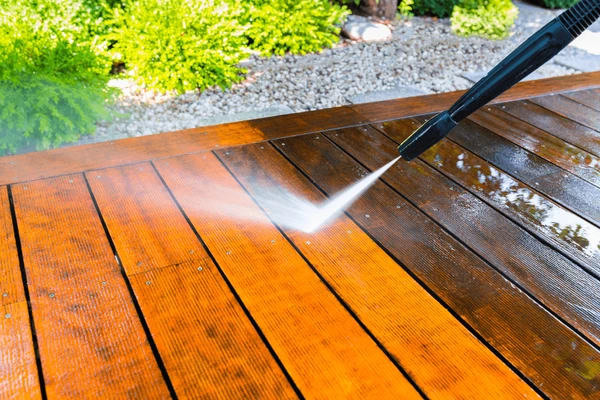
One of the best ways to clean your wood surfaces (decking, fencing, and outdoor furniture) is by pressure washing if you prefer that clean look. Pressure washing can bring wood back to its former glory — whether you’re preparing for a new coat of stain or just trying to remove layers of dirt.
Once the washing is done, though, it’s important that the wood dries properly before applying any sealant or stain. Wood needs to dry fully, as it will result in a smoother finish, longevity of coat, and prevent mold or mildew growth. In this blog post, we’ll break down everything you need to know about how long to let wood dry after pressure washing to ensure the best results.
Summary Points
- Wood that is pressure washed will generally need 24–48 hours to dry.
- Be sure to check moisture levels in the wood prior to sealing or staining.
- Take care with ventilation and weather conditions to get better drying.
- Pressure washing should not be done directly after the sun
- Check the wood for visible dampness or discoloration.
- If unsure, seek professional assistance.
1. Understanding Why Wood Needs Proper Drying
Drying wood thoroughly after pressure washing is essential for several reasons:
- Prevents Mold and Mildew: Mold, algae, and other fungi love to grow on damp wood. If the wood doesn’t dry properly, these organisms will begin to root, causing damage to the structure or appearance of your wood surface.
- Ensures Smooth Application of Sealants: You can’t apply any sealant or stain on partially wet wood as it will trap moisture underneath. Peeling, cracking, or a blotchy finish can result, and you will spend time and money trying to fix it.
- Maintains Wood’s Structural Integrity: Wood fibers can weaken over time because of excess moisture. Drying the wood properly will keep it strong and less likely to warp or split.
- The short answer for a quick featured snippet: Pressure washing most wood surfaces leaves them sticky for 24 to 48 hours while they dry. However the actual time it takes to dry varies depending on a number of different factors. Below, we’ll examine each factor.
2. Key Factors That Affect Drying Time
Although 24–48 hours is a solid guideline, various conditions can influence how quickly the wood dries:
2.1. Weather Conditions
Temperature: As temperatures rise, evaporation speeds up. In the warmer climate zones (think California), wood will dry faster, sometimes in as short of time as 24 hours under optimal conditions.
Humidity: Evaporation is slowed down when humidity levels are high. If that day is humid, then it will take ages to dry the wood.
Sunlight Exposure: Direct sunlight is generally a great help to drying, but too much sunlight too quickly after pressure washing can dry the top layer of the wood very rapidly while leaving the moisture trapped below. You want a balance of warmth and airflow.
2.2. Wood Type
Softwoods (Pine, Cedar): Quick soaking softer woods also let go of water quickly. Hardwoods dry faster than pine and cedar.
Hardwoods (Oak, Mahogany): Those with denser types of wood can take a little longer to dry completely.
2.3. Wood Thickness
Thinner Boards: Naturally, thinner planks or boards dry faster because there is less material for water to penetrate.
Thicker Boards: Because the water has more material to diffuse through, thicker boards and posts take longer to dry.
2.4. Airflow
Open Spaces: The airflow speeds up the drying process if your deck or fence is in a breezy area.
Enclosed Areas: Moisture holds longer in wood in shaded or poorly ventilated spots.
3. Step-by-Step Guide to Ensure Wood Dries Properly
A good approach will ensure that your wood surface dries appropriately for a smooth application of sealant or stain. Here’s a clear, numbered sequence to follow:
- Turn Off and Inspect:
Once you’ve finished the pressure wash, turn off your pressure washer and take a good look at the wood. It’s always good to check that there isn’t still any leftover debris or soap residue in any areas.
- Wipe Down Excess Water:
Remove standing water from the surface with a clean cloth or squeegee. It also helps kick-start the drying process by eliminating pools of water.
- Position for Optimal Airflow:
Remove as many objects as possible: planters, outdoor furniture, rugs, etc. that can hold moisture. Allow the area to remain open and be exposed to airflow to dry faster.
- Protect from Direct Sunlight (If Necessary):
If your wood is in full sun, consider putting a temporary shade or tarp over your wood solely to allow the wood to dry evenly without the heat from the sun. This prevents the formation of rapid surface drying, which can trap moisture underneath.
- Check Weather Forecast:
Schedule your pressure washing for a day without much or no rain chance. When you see that the forecast is for a wet or damp day, it is best to wait until that day is clear.
- Wait for the Recommended Time:
You want to allow the wood to rest for at least 24 hours. You may need to wait 48 hours or more in cooler or humid conditions for best results. Just make sure you check that it’s really dry before proceeding.
- Inspect for Dampness:
Wait, and then run your hand across the wood. Let it give further time if it still feels cool or damp. You can even use a moisture meter to check how much moisture is in the wood. Ideally, stains and sealers should be used only at levels below 15%.
4. How to Check if the Wood is Fully Dry
While the 24–48 hour guideline is a good rule of thumb, you’ll want to confirm the wood’s dryness. Here are a few ways to check:
- Touch Test: Place your hand on the surface very gently. A good indicator is when you don’t feel the immediate coolness on it and feels dry.
- Appearance Test: Look for dark, damp spots or other signs of discoloration, which indicate moisture. Dry wood is often returned to its natural, lighter color.
- Moisture Meter: It is the most accurate, simple tool. Place the probes into the wood. Otherwise, if you have 15% moisture or above, you’re good to go.
These tests help you avoid applying the protective coat over a damp surface and also ensure that you don’t trap the moisture, which will result in a peeling or bubbling of the coat later.
5. Common Mistakes to Avoid
Even a straightforward process like drying wood can go wrong if you overlook some details. Here are common mistakes people make and how to avoid them:
- Not Checking Weather Forecast:
Pressure washing is worthless when you get caught in the rain. Make sure there is no clouds for at least two days ahead.
- Applying Sealant Too Soon:
Some people want to get the job over with quickly. Trapping moisture in wet wood with a sealant can lead to later peeling and mildew. Patience pays off here.
- Ignoring the Type of Wood:
Some woods dry faster than others. Don’t assume that all wood surfaces will be ready at the same time. Take note of how dense and structured the wood is.
- Skipping Airflow:
Drying wood is a real problem with stagnant air. If the space isn’t ventilated, then add a fan or open up the area for air to circulate.
- Relying Only on Gut Feeling:
If the wood doesn’t seem completely dry, but you’re not sure, use a moisture meter. It removes the guesswork of the process.
6. Extra Tips for Faster and More Effective Drying
To make the drying process smoother and possibly speed things up, consider the following:
- Use Fans: If you have access to portable fans, place them around the area to increase air circulation. This is particularly helpful in enclosed patios or shaded decks.
- Elevate the Wood (If Possible): If you’re dealing with smaller wooden items like furniture, elevating them off the ground with blocks or stands can help air reach all sides.
- Work in Smaller Sections: For large areas like decks, wash in sections so each part gets plenty of time to start drying while you move on to the next.
- Schedule Maintenance: Regular cleaning and sealing can reduce future drying times because your wood remains in better condition over time.
7. When and Why You Should Hire Professionals
While pressure washing might look simple, doing it incorrectly can damage your wood or leave it vulnerable to issues like mold or structural weakening. Professionals can:
- Adjust Water Pressure Properly: They know how to calibrate the pressure so it won’t gouge or splinter the wood.
- Use the Right Cleaning Solutions: Cleaners that remove the grime without harming the finish are carefully selected by a professional service.
- Ensure Thorough Drying Recommendations: They can take your local climate conditions and the wood type and give you a personalized drying time.
- Offer Sealing and Staining Services: If you don’t have the time or the tools, professionals can seal and stain once the wood is completely dry to give you a good-looking finish.
Here at CA Pressure Washing, our experienced team knows exactly how long to let wood dry after pressure washing and how to maintain your deck, fence, or outdoor furniture in optimal shape. We believe in educating our clients so they can make informed decisions, saving both time and money in the long run.
Conclusion and Call to Action
Letting your wood dry completely after pressure washing is one of the most critical steps in your home maintenance or renovation project. By waiting at least 24–48 hours, checking for dryness, and avoiding common mistakes, you set the foundation for a lasting, beautiful finish. If you’re unsure or want professional help, CA Pressure Washing has you covered every step.
Ready to get started?
- Contact CA Pressure Washing Today: Our friendly, knowledgeable team will take the time to assess your needs and walk you through the entire pressure washing and drying process.
- Get a Custom Quote: Whether you have a sprawling deck or small patio furniture, we provide services tailored to your project.
Don’t risk the longevity of your wood surfaces by rushing the drying process or trying a DIY approach without experience. Let the experts handle it so you can enjoy your outdoor living space with peace of mind. Give us a call or visit our website to schedule your pressure washing service, and let’s bring out the best in your wooden surfaces!.