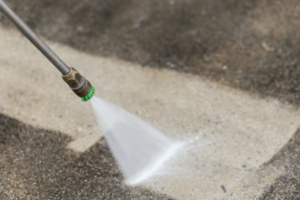

Driveways, patios, and sidewalks are made up of concrete surfaces that are exposed to dirt, grime, oil stains, mold, and mildew.
Pressure washing concrete is the best way to clean concrete; however, using the proper pre-treatment greatly impacts the outcome.
Knowing what to spray on concrete before pressure washing ensures a deeper clean, removes tough stains, and protects the surface from damage.
We break this down in this guide for the very best pre-treatments, their benefits, and how to do them for the best results on pristine concrete surfaces.
Whatever your level of expertise, this is know information for anyone wanting to ensure a successful clean.
Quick Summary of Top Pre-Treatments to Spray on Concrete:
- Degreasers for oil and grease stains.
- Mold and mildew removers for organic growth.
- Rust removers for tough, oxidized stains.
- Detergents for general cleaning.
- Eco-friendly pre-treatments for environmentally safe cleaning.
Why Pre-Treatment Matters Before Pressure Washing
- Enhances Cleaning Efficiency
It may take more than pressure washing in heavily stained or aged concrete. The pressure washer can clean more effectively when dirt, grime, and stains are loosened ahead of time with pre-treatment.
- Reduces Cleaning Time
If you spray the right solution on concrete before, you’ll save both time and effort when scrubbing or repeatedly pressure washing stubborn areas.
- Protects Concrete Surfaces
Oil or rust stains penetrate deeply into concrete. Targeted pre-treatments are used to prevent long-term damage and maintain the integrity of the surface.
- Eco-Friendly Solutions
When it comes down to it, many pre-treatment options rely on biodegradable formulas; therefore, cleaning efforts are environmentally responsible without sacrificing effectiveness.
Common Stains Found on Concrete Surfaces
Before deciding what to spray on concrete before pressure washing, it’s important to identify the type of stains you’re dealing with. Here are some common ones:
- Oil and Grease Stains: These are often found in driveways and garage floors.
- Mold and Mildew: Found in shaded or damp areas.
- Rust Stains: This is caused by metal objects or water with high iron content.
- Dirt and Grime: Over time, they have accumulated due to weather and foot traffic.
- Paint and Chemicals: Leftover from spills or projects spilled into the sea.
Each stain will need a unique pre-treatment to be removed.
Top Pre-Treatment Options to Spray on Concrete
1. Degreasers for Oil and Grease Stains
Stains made from oil and grease are the toughest to remove on the concrete floor. Degreasers can break these down.
How to Use:
- Depending on your degreaser, spray it directly on the area.
- Leave it for 10–15 minutes to let the grease break down.
- To help penetrate, scrub with a stiff brush.
- A pressure washer will rinse thoroughly.
Best For: In driveways and garage floors as well as near machinery.
2. Mold and Mildew Removers
Damp, shady areas create fertile ground for mold and mildew, making a concrete walkway slippery and downright unsightly. Bleach and other chemicals in mold removers are needed to kill the spores.
How to Use:
- Smear the solution abundantly on moldy areas.
- You will want to let it sit for 5–10 minutes to kill spores.
- For stubborn growth, lightly scrub.
- Rinse under pressure.
Best For: Areas such as patios, walkways, and under trees or near water.
3. Rust Removers
Stains with rusty color can be caused by metal furniture, tools, or water with a high iron content. Rust removers are special because they dissolve iron oxide without harming the concrete.
How to Use:
- Simply apply the rust remover onto the stain.
- Let it in for 5–15 minutes.
- If necessary, scrub the area with a brush.
- Rinse off using a pressure washer.
Best For: Industry applications include sidewalks, patios, and areas with metal fixtures or steel that are constantly exposed to weather conditions.
4. General Detergents
A good detergent is great for surfaces that are dirty, but not stained. They are versatile and safe for most concrete surfaces.
How to Use:
- According to the manufacturer’s instructions, mix the detergent with water.
- The spray must be evened over the concrete surface.
- Let it sit for 5–10 minutes.
- Rinse thoroughly with a pressure washer.
Best For: Routine cleaning of driveways, patios and sidewalks.
5. Eco-Friendly Pre-Treatments
Opt for biodegradable and nontoxic cleaning solution options if you are worried about the environment. These are safe for plants as well as surrounding ecosystems.
How to Use:
- Spray the concrete surface with the solution.
- Allow it to rest for 10–15 minutes to soften dirt and grime.
- Then rinse off using a pressure washer.
Best For: Gardens, lawns, and outdoor recreational areas.
Step-by-Step Guide: How to Use Pre-Treatments Effectively
Step 1: Assess the Surface
Check the concrete stains and see what kind they are to decide what pre-treatment is required.
Step 2: Choose the Right Product
Choose a pre-treatment for the stains you have on your concrete. You’ll likely need to use a combination of products if you have more than one stain.
Step 3: Prepare the Area
Remove furniture, debris, and other obstacles so the device can reach all areas of your property.
Cover or protect plants and delicate surfaces with tarps or something similar.
Step 4: Apply the Pre-Treatment
Evenly coat the surface with a spray bottle, pump sprayer, or garden sprayer.
For the greatest effectiveness, concentrate on areas of heavy stain.
Step 5: Allow Time to Work
Follow the recommendations and allow the pre-treatment to soak for the specified amount of time – typically 5–15 minutes – to begin breaking down dirt and stains.
Step 6: Scrub Stubborn Areas
If the stain is tough, apply the solution using a stiff-bristled brush.
Step 7: Rinse with a Pressure Washer
Wash the surface clean and again refreshed, rinse away the pre-treatment and loosen debris with a pressure washer.
DIY vs. Professional Services
While pre-treating and pressure washing concrete can be a DIY project, hiring professionals has its benefits:
- Expertise: Professionals know precisely what to spray on concrete before pressure washing for the best results.
- Efficiency: They will do the job faster for large or heavily stained areas.
- Advanced Equipment: Only high-grade tools and environmentally friendly solutions are used.
- Safety: The proper techniques prevent damage to the concrete or surrounding property.
Tips for Maintaining Concrete After Pressure Washing
- Seal the Surface: Protect any future stain or damage by applying a concrete sealant.
- Clean Spills Promptly: Address oil, grease, or chemical spills to avoid deep staining.
- Schedule Regular Cleaning: Concrete should be planned for the six-month pressure washing sessions to keep concrete looking its best.
- Use Mats or Rugs: To avoid stains put placemats under vehicles, grills, and furniture.
- Inspect for Damage: Check your tires for cracks or wear, and get them fixed if they require them.
Call to Action: Achieve Pristine Concrete Today!
Knowing what to spray on concrete before pressure washing is the key to spotless surfaces.
It doesn’t matter if you’re dealing with a stubborn oil stain, mold, or just dirt in general; the right pre-treatment will make a difference.
If you want the best without hassle, then hiring a professional pressure washing service is the wise thing to do.
Elevate your concrete with expert solutions and pros. Try reaching out to CA Pressure Washing today and see results you will not believe!