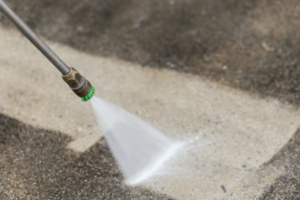
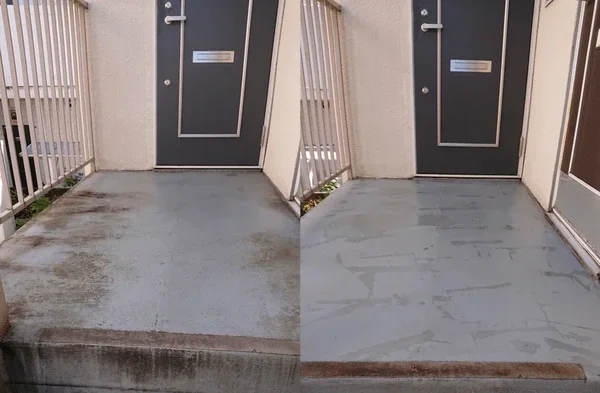
Power washing is a great method for removing dirt and debris from different types of surfaces, such as outdoor rugs.
Mold, stains, dirt and grime which are likely to accumulate on walls and other surfaces over a period of time can be effectively cleaned by it.
However, most people who have their rugs cleaned using pressure washing are left wondering, “How do I dry a rug after pressure washing?”
In this guide, we are going to show you how to dry your rug correctly so that it does not get ruined, develop mold or begin to wear out soon.
It is as important to ensure that the rug is dried after the pressure washing process as it is to wash the rug. Well, now let’s go into how to do it right!
Quick Overview: What You’ll Learn
- Why drying your rug properly is crucial after pressure washing
- Simple and effective steps to dry a rug after pressure washing
- Common mistakes to avoid during the drying process
- Tips for faster and more efficient rug drying
- FAQs on rug drying and maintenance
By the end of this guide, you’ll have a clear understanding of how to keep your rug looking and feeling fresh after a thorough pressure washing.
Why Proper Rug Drying is Essential After Pressure Washing?
Pressure washers are very effective in cleaning rugs, but drying the rug afterward may sound simple, and it has to be done properly.
Here’s why:
- Prevent Mold and Mildew: It is common knowledge that a wet rug that is allowed to lie around without proper care will become a breeding ground for mold and mildew. This not only destroys your rug but also results in bad smells and some health complications too.
- Preserve the Rug’s Shape: If the rug is allowed to dry improperly or hung improperly or on the wrong side, it may become warped or misshapen. Correct drying minimizes the rug’s structure and texture from changing, thus maintaining its condition.
- Avoid Discoloration: Humidity affects the color of the rug, and this is true, especially if the rug has many or bright colors on it. The color can fade or bleed if exposed to moisture for a long time. The rug should also be dried right to avoid damage to the hair and premature fading of the hair color.
Based on the factors above, let’s examine the process of drying your rug after the pressure washing.
3 Simple Steps to Dry a Rug After Pressure Washing
Below are the three brief strategies that will help you dry your rug quickly.
Step 1: Drain off the extra water.
When you pressure wash, your rug will be covered in water and therefore wet. The first step would be to get rid of as much water as possible, thereby allowing the evaporation of the rest of the water. Here’s how:
- Roll up the rug tightly. This will help wring out any excess water trapped on the surface of the fibers. Choose a corner or an edge and proceed to roll it up to the opposite corner, applying force as you pull it. At some point, the rug will become rather wet, and you will see water dripping from it; it is advisable to do this inside an open area or outside.
- Use a squeegee: In cases where the rug is big or thick, a squeegee is one of the most efficient tools for pushing out most of the water. Lay the rug completely on a flat surface and apply a squeegee with much pressure, starting from one side to the other.
- Use towels to blot: Dry towels can be used to blot small rugs, especially to absorb moisture. Spread the towels on the rug and step on them or roll over them to absorb the water from the rug.
If all the water is not removed at this stage, the item takes longer to dry, so it is advisable to remove as much water as possible from it.
Step 2: Lay the Rug Flat in a Sunny, Well-Ventilated Area
After washing your rug, it is advisable to dry it naturally. Here are the steps you need to consider.
- Choose a sunny spot: Sunlight is one of the most effective natural drying agents. Lay the rug flat on a sunny area, preferably an open area or the compound where there is direct sunlight. The side of the rug that touches the floor must be clean and dry so that it does not pick up dirt on the floor.
- Ensure airflow: When the air flows properly, it can effectively dry the rug and hence reduce the growth of mold. If possible, move the rug to a higher level by placing it on a rack or clothesline. This also enables air to flow beneath the rug, as shown below.
- Flip it halfway through: Rugs must also be flipped over so that both sides can dry properly after the sun has been on them for several hours. This is especially so for thick pile carpets, where moisture penetrates deep down the carpet pile fabric.
Step 3: Speed Up Drying with Fans or a Wet/Dry Vacuum
If you’re short on time or the weather isn’t ideal, you can speed up the drying process using some additional tools:
- Use fans: Arrange fans around the rug to create air circulation and aid in evaporation. If the rug is placed indoors, one can open the windows and use ceiling fans to create a flow of air and, hence dry the rug faster.
- Use a wet/dry vacuum: A wet/dry vacuum is ideal for removing more water from the rug. After rinsing and absorbing excess water with a squeegee and blotting, vacuum the rug in both directions so that all the water trapped in the fibers is also vacuumed.
If these steps are followed, the rug will be properly dried and maintain its proper texture and shape after the pressure washing.
Common Mistakes to Avoid When Drying a Rug
It is important to dry a rug correctly since it may get ruined or, in worst-case scenarios, cause other problems. To avoid these pitfalls, keep these common mistakes in mind:
- Hanging a heavy rug: It is advisable to hang lighter rugs on a clothesline, but heavier ones tend to stretch and get misshaped if hung to dry. Dry them up or place them on a slightly raised surface.
- Leaving the rug in a damp area: If you dry your rug in a room with little or no air circulation or in a room with high humidity, it will take a long to dry up and may develop mildew. Selecting a place with enough exposure to fresh air is always advisable.
- Skipping the excess water removal: The first mistake often made is not removing enough water before beginning the drying process. This can greatly extend the time it takes for the rug to dry and result in moisture being held within the rug, which can cause mold and mildew.
Tips for Faster and More Efficient Rug Drying
Here are a few more tips to help you dry your rug quickly and efficiently:
- Use a dehumidifier indoors: When they are drying the rug indoors, it is advised that you use a dehumidifier in order to reduce the amount of moisture in the air which in return will hasten the drying process.
- Dry on an inclined surface: If possible, it is advisable to lay the rug on a slant, for instance on a slanted driveway or a patio, this will mean that the water will easily roll off the carpet.
- Choose a breezy day: Taking the rug outside and letting it dry in the sun is another way of making sure that it dries up very fast, especially if the weather is dry with little wind.
FAQs: How to Dry a Rug After Pressure Washing
1. How long does a rug take to dry after pressure washing?
The time it takes for a rug to dry varies with size, type of material, and method used to dry the rug. In good weather conditions, with moderate wind, a medium-sized rug will take between 6-24 hours to dry up completely.
2. Is it safe to use a hairdryer or a heat gun to dry the rug?
It is advisable not to dry your rug at high temperatures as this may lead to damage of the fibers and even cause the rug to shrink or get a different color. To get the best results it is advisable to dry the area naturally using sunlight, fans, or a wet/dry vacuum cleaner.
3. What should I do if my rug smells musty after I have washed it?
If your rug has a musty odor then it is quite probable that it was not adequately dried before it was rolled up and delivered. Wash the rug again but ensure that you dry it well in a well-ventilated area so as not to develop any bad smell.
Final Thoughts: Proper Rug Drying Ensures a Cleaner, Fresher Home
It is equally important to know how to dry a rug after pressure washing to preserve its look and durability.
As described in this guide, you should first blot the rug to get rid of standing water, then lay the rug flat in an open area exposed to the sun.
If you want to speed up the process, use fans or a wet/dry vacuum—this way, you will not make the most frequent mistakes and will properly dry the rug.
It is important to make sure that a rug is completely dried to avoid the growth of fungus and to ensure that the structure and color of the rug are well maintained.
Cleaning a patio rug or any indoor rug, for that matter, requires one to be very keen on the drying process as much as the washing process.
Thus, it is possible to have your rug remain fresh and clean and look as good as new even in the years to come.
For more information about pressure washing services or if you want a professional pressure washing service, CA Pressure Washing is here for you.
We are experts in all kinds of pressure washing so that your surfaces are always clean. Please feel free to contact us for more information or to book any of the services.